
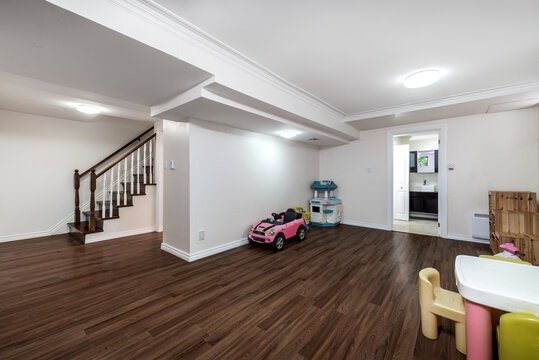
Basement renovations are no longer just about adding drywall and flooring. Today, homeowners actively search for Basement Renovation services that understand permits, inspections, fire codes, and zoning bylaws. Choosing the right approach from the beginning ensures your project is legal, safe, and future-proof.
If you’re planning to renovate your basement this year, understanding the latest rules is essential. In 2026, the City of Brampton continues to enforce strict building codes to ensure safety, structural stability, and legal compliance—especially for homeowners building secondary dwelling units. Whether your goal is extra living space, rental income, or increasing property value, knowing the exact basement requirements in Brampton can save you from costly mistakes, delays, and penalties.
Why Basement Renovations Are Growing in Brampton
Brampton’s real estate market remains competitive. Many families prefer upgrading their existing homes instead of relocating. A finished basement can serve multiple purposes:
- Legal secondary apartment
- Rental income suite
- Home office or business space
- In-law suite
- Entertainment or recreation room
However, converting a basement—especially into a rental unit—requires full compliance with the Ontario Building Code (OBC) and municipal bylaws.
Do You Need a Permit in 2026?
Yes, in most cases, you need a building permit for basement renovations in Brampton.
A permit is required if you:
- Add or remove walls
- Install plumbing (bathroom or kitchen)
- Create a separate entrance
- Modify HVAC or duct systems
- Add new windows or enlarge existing ones
- Build a secondary dwelling unit
Starting work without permits can result in fines, stop-work orders, or even removal of completed construction. Always submit proper drawings and wait for approval before starting.
Minimum Ceiling Height Requirements
Ceiling height is one of the most overlooked requirements.
For a finished basement:
- Minimum height: 6 feet 5 inches (1.95m) over at least 75% of the area
For legal basement apartments, inspectors are strict about compliance. If your ceiling is too low, underpinning or benching may be required. This increases costs but ensures the space is livable and approved.
Egress Windows & Emergency Exit Rules
Safety comes first. Every basement bedroom must have a proper egress window.
Requirements include:
- Minimum opening area of 0.35 m²
- No dimension less than 380 mm
- Must open fully without tools
- Easy escape access
If there is a window well, it must provide enough clearance for emergency exit.
Without proper egress windows, your basement bedroom will not pass inspection.
Fire Safety & Soundproofing Requirements
If you’re building a legal secondary suite, fire separation is mandatory.
Key fire safety requirements:
- 30-minute fire-rated separation between units
- Fire-rated drywall assemblies
- Sealed penetrations
- Interconnected smoke alarms
- Carbon monoxide detectors
While soundproofing is not always legally specified to a strict decibel level, adding insulation, resilient channels, and acoustic materials significantly improves comfort—especially in rental units.
Zoning & Legal Basement Apartments
Before planning a secondary suite, check zoning regulations. Not every property qualifies automatically.
Important factors:
- Property size
- Lot type
- Parking availability
- Compliance with city bylaws
Many homeowners searching for Basement Renovation in Brampton are specifically looking to create legal rental units. To qualify as legal, the basement must meet building code, fire code, and zoning requirements.
Parking is a major factor. In most cases, an additional parking space is required for the secondary dwelling.
Plumbing & Drainage Compliance
Adding a kitchen or bathroom requires proper plumbing design.
Key requirements:
- Proper drain slope
- Correct pipe sizing
- Venting compliance
- Backwater valve (strongly recommended)
- Sump pump (if required by elevation)
Flood protection is taken seriously in Brampton due to past heavy rainfall incidents. Installing preventative systems protects your investment.
Electrical & HVAC Standards
All electrical work must comply with the Ontario Electrical Safety Code and be inspected by ESA.
Requirements include:
- Proper outlet spacing
- GFCI outlets in wet areas
- Dedicated circuits for appliances
- Adequate lighting
For basement apartments, heating must provide consistent temperatures. Sometimes separate thermostats or upgraded duct systems are required.
Insulation & Energy Efficiency in 2026
Energy standards are stricter than before. Basements must meet minimum R-value insulation standards.
Proper insulation:
- Reduces heating costs
- Prevents moisture buildup
- Improves comfort
- Increases long-term durability
Spray foam, rigid insulation boards, and mineral wool are common options.
Moisture control and vapour barriers are critical in preventing mold growth.
Inspection Process in Brampton
The renovation process typically follows these steps:
- Submit architectural drawings
- Permit review
- Permit approval
- Construction begins
- Framing inspection
- Plumbing & electrical inspections
- Final inspection
Skipping any inspection can delay occupancy approval.
Common Mistakes Homeowners Make
Many homeowners try to cut costs but end up paying more later.
Frequent mistakes:
- Starting work without permits
- Ignoring ceiling height rules
- Installing small windows
- Poor soundproofing
- DIY plumbing errors
Working with experienced professionals reduces risk and ensures compliance.
Choosing the Right Contractor in Brampton
Not all contractors understand Brampton’s specific requirements. You need a team that:
- Understands Ontario Building Code
- Manages permits professionally
- Coordinates licensed trades
- Provides written contracts
- Offers transparent pricing
Experienced companies like AM Home Development specialize in basement renovations that meet 2026 regulations. Working with knowledgeable professionals ensures smoother approvals and higher construction quality.
Benefits of a Legal Basement Renovation
A properly completed basement renovation offers:
- Increased property value
- Rental income potential
- Legal compliance
- Safer living space
- Better resale opportunities
Buyers in Brampton are increasingly cautious about illegal basement apartments. Having permits and final approvals gives peace of mind.
Final Thoughts
Basement requirements in Brampton in 2026 are clear—but strict. From ceiling heights and egress windows to fire separation and zoning compliance, every detail matters.
If you plan properly, obtain the right permits, and work with experienced professionals, your basement renovation can become a valuable, income-generating, and fully legal addition to your home .